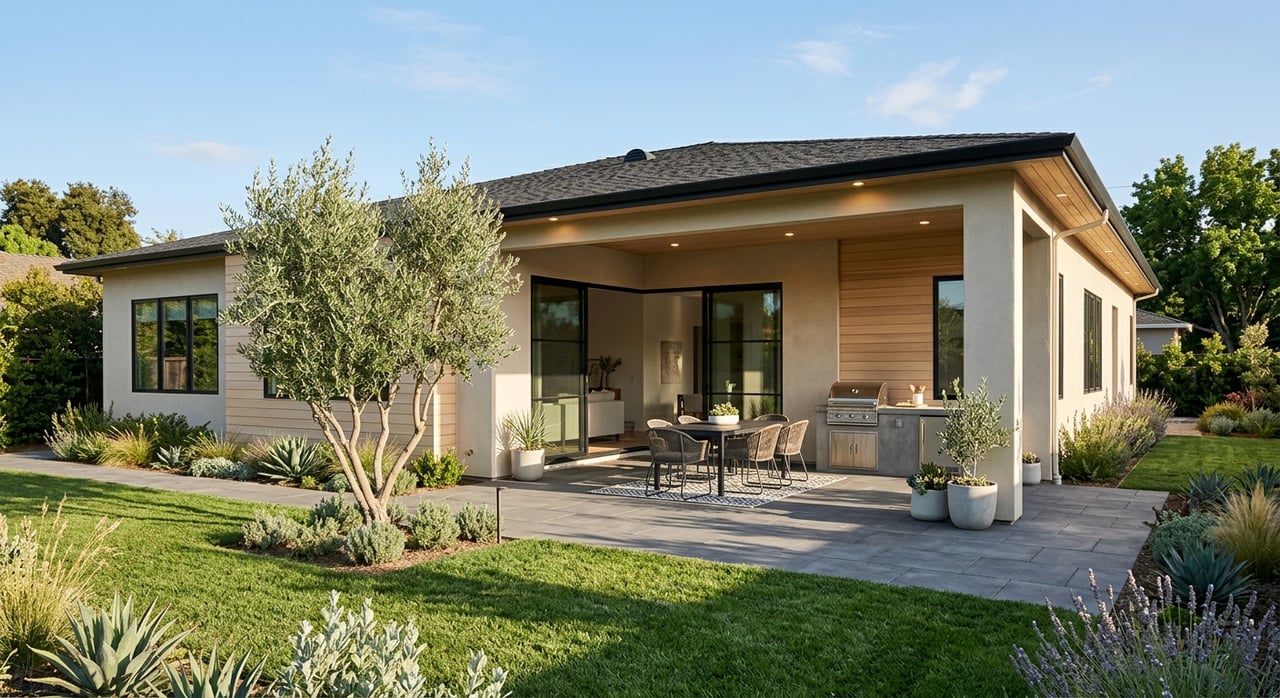
Outdoor Living Potential In Morgan Hill Backyards
April 2, 2026
April 2, 2026
If a backyard is high on your wish list, Morgan Hill deserves a closer look. This part of South Santa Clara County is known for an outdoor-oriented lifestyle, mild winters, warm summers, and easy access to trails, parks, and open space. If you are trying to figure out whether a property can support a patio, garden, play area, or future ADU, this guide will help you understand what really shapes outdoor living potential in Morgan Hill. Let’s dive in.
Morgan Hill sits about 10 miles south of San Jose and has built a strong identity around outdoor recreation. The city describes the area as a place with year-round access to hills, wineries, farms, lakes, trails, and open space, and notes that its recreation facilities attract 1.2 million visitors annually. You can see that local outdoor focus in everyday life, not just in marketing.
That broader lifestyle matters when you shop for a home. In a market where buyers often compare indoor square footage closely, Morgan Hill adds another layer of value through usable outdoor space and proximity to recreation. If you enjoy spending time outside, a good backyard here can feel like a real extension of your living space.
Morgan Hill also highlights nearby destinations like the Coyote Creek Trail, Henry W. Coe State Park, Anderson Lake County Park, and Uvas Canyon County Park. The city notes that the paved Coyote Creek Trail segment is 17.8 miles long, and Henry W. Coe offers 250 miles of trails across 87,000 acres, which helps explain why backyard living and outdoor recreation often go hand in hand here.
One of the most important things to know about Morgan Hill backyards is that conditions can vary more than you might expect. City historic context materials describe the area as having greater temperature extremes than nearby San Jose or Watsonville, along with strong summer winds, predictable afternoon north-south winds, and many microclimates across the city.
That means two homes in the same general area can have very different outdoor comfort levels. One lot may get strong afternoon sun, while another benefits from more shade or wind protection. Even the USDA notes that small yard-level microclimates can run warmer or cooler than surrounding areas.
For you as a buyer, that makes site-specific evaluation especially important. Instead of assuming every Morgan Hill backyard will work the same way, it is smarter to look closely at sun exposure, wind patterns, existing trees, and how the house sits on the lot.
Morgan Hill’s planning standards show that private outdoor space is not an afterthought. According to the city’s Residential Development Design and Development Standards, single-family detached homes on lots of 7,000 square feet or more must provide 500 square feet of usable private open space per unit.
That does not mean every home has a huge backyard, but it does show that usable outdoor area is built into the local framework. In some neighborhoods and newer projects, you may see a pattern of larger lots that can support multiple outdoor uses at once.
The city’s New Horizons project, for example, notes detached homes planned on minimum 7,000-square-foot lots. For buyers, that is a helpful reminder that some Morgan Hill properties may offer room for more than just a small patio or narrow strip of grass.
A major plus in Morgan Hill is that the city gives clear guidance on backyard structures. Its Accessory Structures information specifically addresses arbors, gazebos, play structures, shade structures, sheds, detached garages, patios, decks, balconies, and barbecue structures.
That is encouraging if you are picturing a backyard set up for entertaining or everyday family use. It suggests the local code can support outdoor rooms and functional yard improvements, as long as the design fits the parcel and follows city standards.
The key detail is that setbacks and structure rules are property-specific. A large flat lot may have room for a covered patio, garden beds, and open play space. A tighter or more irregular lot may still work well, but you may need to be more strategic about placement.
For some buyers, outdoor potential is not just about recreation. It is also about flexibility for guests, extended household needs, or future value. Morgan Hill says accessory dwelling units are generally allowed in single-family and multifamily zones, though planning remains site-specific.
On the right property, that can create more options without fully giving up backyard function. A larger lot may still leave room for a patio, garden, or seating area while accommodating an ADU.
If this is part of your long-term plan, it is worth looking at the lot layout early. The best setup is usually one where the added structure still leaves practical usable space, not just leftover square footage on paper.
Topography is one of the biggest factors in backyard usability. Morgan Hill’s Hillside Combining District applies to sloped properties and may require a design permit. It can also limit subdivision when the resulting lot would consist only of steep land.
In practical terms, flat or gently sloped parcels usually offer the strongest backyard potential. They are generally easier to use for patios, gardens, lawn space, and flexible outdoor layouts.
Hillside lots can still be very appealing, but they often involve tradeoffs. You may gain views and natural character while losing some day-to-day yard usability or facing more design limitations.
Morgan Hill’s newer projects also show how much value the area places on outdoor space. The city’s Manzanita Park project page describes open space along with paseos, sidewalks, and trails. The Magnolias project includes an outdoor play area, shade garden, BBQ and dining court, planter beds, and landscaped common areas.
These examples matter because they reflect local priorities. Outdoor gathering, movement, and shared open space are treated as core amenities, not extras.
That same pattern shows up in public facilities too. Morgan Hill says its parks and open-space areas support sports, BBQs, and special events, and the city also offers rentable facilities and a dog park. If outdoor living is important to you, the backyard and the surrounding community can complement each other well.
A great Morgan Hill backyard is not just attractive. It also needs to work with local water rules. The city’s Water Efficient Landscaping Ordinance requires low- or very-low-water-use plant palettes for covered landscape projects, and current water rules limit irrigation to specific days and times during the 2026 season.
That pushes backyard design in a practical direction. Instead of thinking only in terms of large turf areas, many buyers will be better served by imagining drought-conscious outdoor rooms with shade, hardscape, and lower-water planting.
This can still look beautiful and feel highly livable. It just means the best backyard plan in Morgan Hill often balances comfort, usability, and water efficiency from the start.
Trees can make a backyard feel cooler, more private, and more established. In a place with sun exposure, temperature swings, and summer wind, that can be a real advantage.
At the same time, tree-related rules matter. Morgan Hill requires a permit before removing or pruning protected or significant trees, and replacement planting is generally required after approved removal under the city’s Tree Removal and Pruning Permit rules.
If you are considering a remodel or major yard redesign, mature trees should be part of your due diligence. They may improve comfort and appeal, but they can also affect where you can build, expand, or reconfigure outdoor space.
If backyard potential is one of your top priorities, a few practical questions can help you sort strong options from weak ones quickly.
Ask questions like:
These questions may sound simple, but they can tell you a lot about how the property will function in real life. A backyard that looks large in photos may have less usable space than expected once slope, setbacks, trees, and orientation are factored in.
Backyard potential is easy to overestimate when you are shopping online. Photos can make a yard feel flatter, larger, or more private than it really is. In Morgan Hill especially, parcel-specific details often make the difference between a good fit and a frustrating surprise.
That is why local guidance matters. When you work with a broker who understands South Santa Clara County lot patterns, zoning basics, and neighborhood-level differences, you can evaluate properties with a more practical lens.
If you are comparing homes in Morgan Hill and want help spotting the difference between a yard that looks good and one that truly fits your goals, Louis Ponce can help you think through the details with a steady, local, hands-on approach.
Discover the Best Kid-Friendly Spots and Events in Milpitas
Essential Tips for a Successful Home Purchase in Sunnyvale
Maximize Your Home's Appeal and Attract Buyers Fast in Morgan Hill

Expert Tips and Strategies for a Successful Home Sale in Campbell

Discover the Best Areas for Real Estate Investment in Gilroy, CA

Essential Inquiries for Your Next San Jose Open House
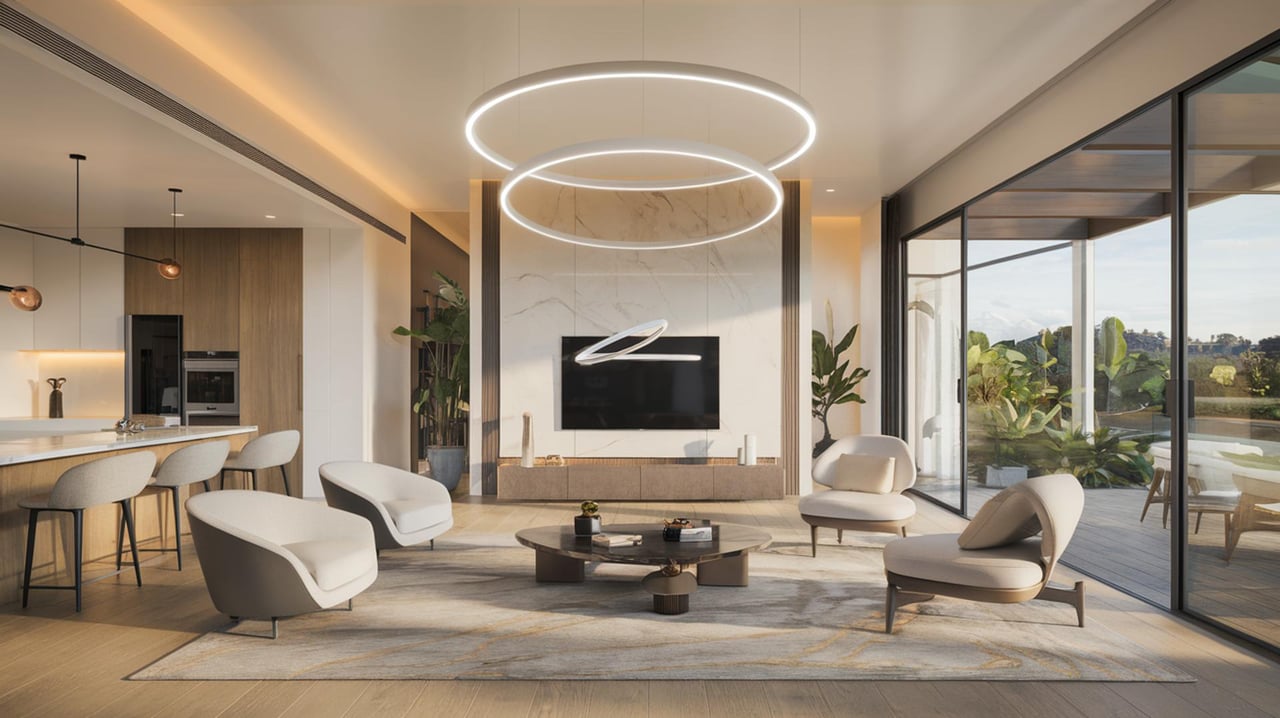
Enhance Your Silicon Valley Lifestyle with Cutting-Edge Home Technology
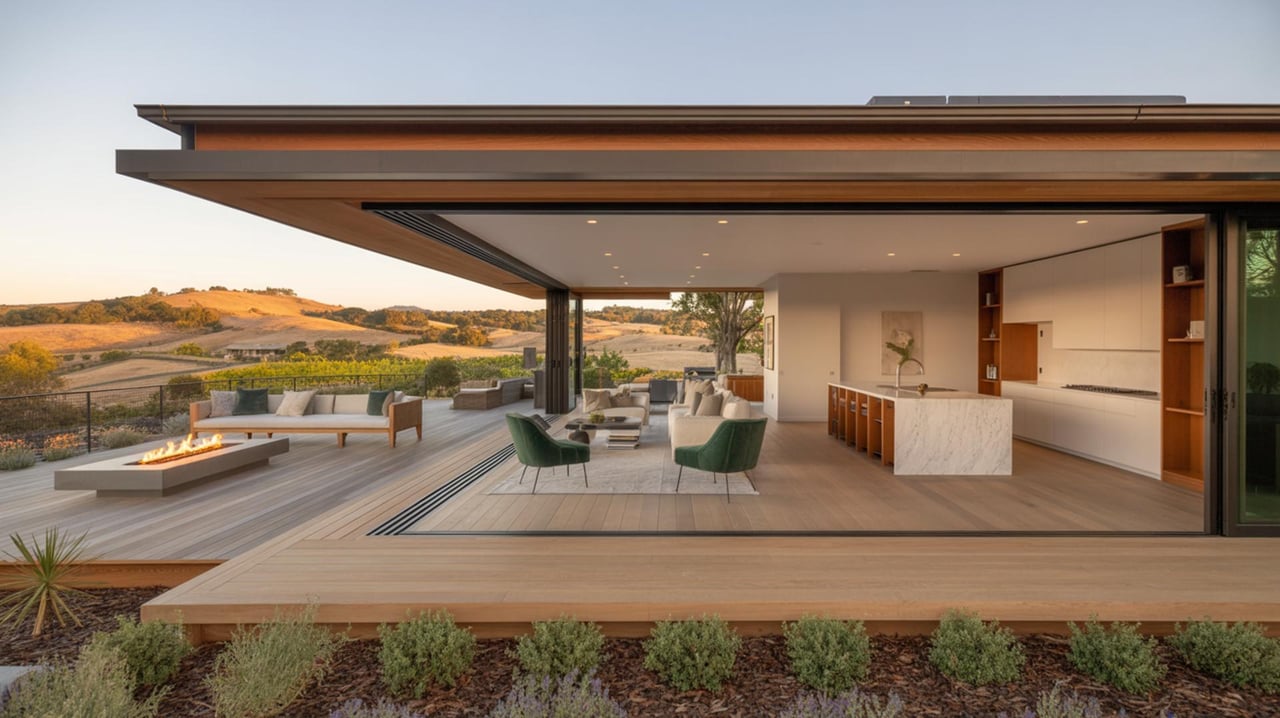
Exploring the Latest Innovations and Styles in Morgan Hill Home Design

A Comprehensive Guide to Navigating Real Estate Expenses in Campbell
I’d love to hear from you! Whether you’re buying, selling, or just exploring your options, I’m here to provide answers, insights, and the support you need. Contact me and start planning your next move.