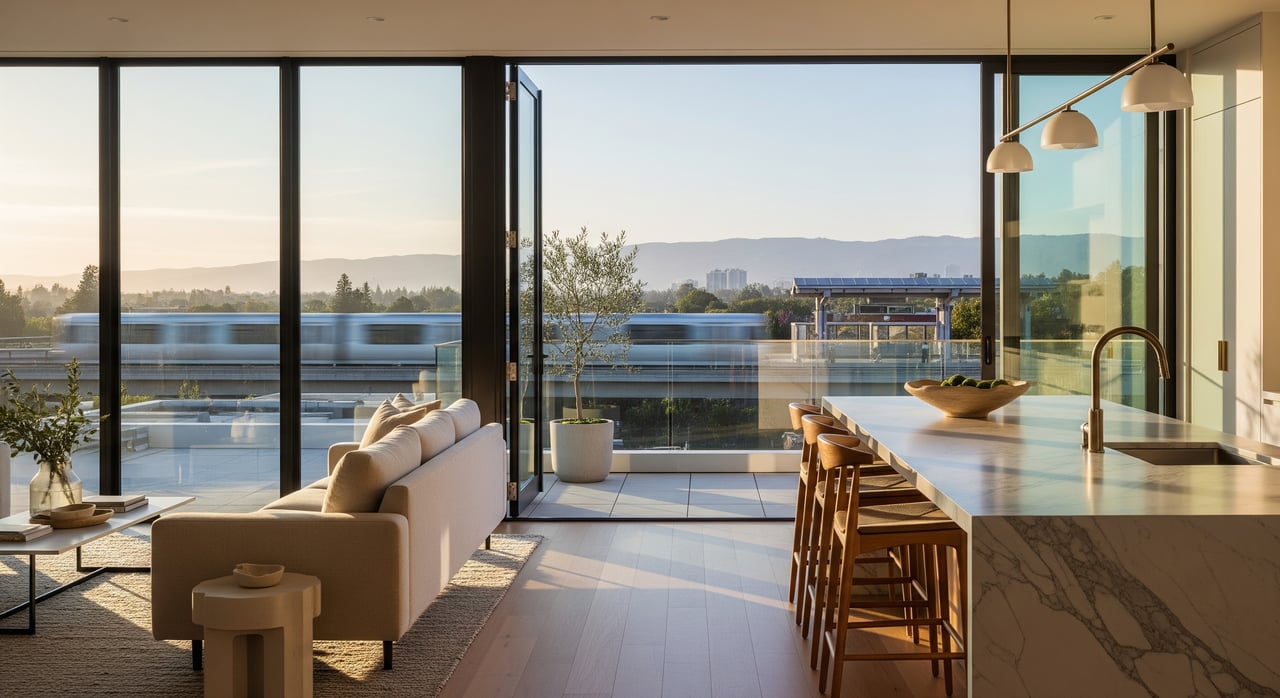
Thinking about trading your cross-bay drive for a train ride? If you are eyeing homes near the Milpitas BART station, you are not alone. A shorter, more predictable commute and a walkable lifestyle are big draws, but there are real trade-offs to weigh. In this guide, you’ll learn the key pros and cons, what to check during showings, and practical tips to decide if living near Milpitas BART fits your life. Let’s dive in.
How Milpitas BART connects you
Milpitas is part of the Silicon Valley BART extension that opened in 2020, linking Santa Clara County into the regional BART network. From here, you can reach many East Bay and San Francisco destinations with a one-seat ride or a simple transfer. For route specifics and current schedules, use the official BART trip planner and station information.
First and last-mile options matter too. The station integrates with local buses and shuttles operated by the Santa Clara Valley Transportation Authority. If you plan to bike, bus, or transfer, check VTA’s routes and schedules that serve the station and nearby neighborhoods.
Pros of living near Milpitas BART
- Commute predictability. Rail service can reduce drive-time stress during peak hours and make travel times more consistent to Oakland, Berkeley, and San Francisco.
- Access without driving. You can reach major job and cultural centers across the Bay Area with no car required for many trips.
- Walkable amenities. Transit-oriented areas often add retail, services, and daily conveniences within a short walk of home.
- Potential demand premium. Many markets show stronger buyer and renter demand for homes within an easy walk to reliable rail transit. The effect varies by distance and property specifics.
Cons and trade-offs to weigh
- Noise and vibration. Trains can bring audible noise and some vibration, depending on distance, track design, and building insulation. For background on how noise is assessed, review the Federal Transit Administration’s noise and vibration guidance.
- Parking pressure. Station garages and nearby streets can be busy, and some areas have permit or time restrictions. Check current policies on the BART official site before you rely on station parking.
- Micro-neighborhood differences. Homes immediately next to tracks may feel noisier and less private. Properties a few blocks away often capture the convenience with fewer disamenities.
- Ongoing development. Transit-oriented growth brings new housing and retail, which is convenient long term, but you may experience construction activity and changing parking patterns during build-out.
- Safety perception. Transit hubs increase foot traffic. If this is a concern, review local data through the City of Milpitas Police Department and public safety resources on the Milpitas Police site.
How close is too close?
Distance matters. Think in bands rather than an all-or-nothing approach:
- Immediate adjacency (roughly 0–0.1 mile). Highest convenience and easiest platform access, but potential for the most noise, vibration, and privacy impacts.
- Short walk (about 0.1–0.25 mile). Very convenient with better screening from tracks and station activity.
- Comfortable walk (about 0.25–0.5 mile). Often the best balance of access and lower noise for many buyers.
- Neighborhood reach (about 0.5–1 mile). You still can walk to the station, but the experience depends on sidewalk quality, crossings, and lighting.
What to check on showings near BART
On-site checks
- Visit during peak hours. Stop by on a weekday morning and evening, and once on a weekend. Listen inside the unit, on balconies, and at the street.
- Test for vibration. Place a cup on a table and watch when trains pass. Note any rattling from doors or fixtures.
- Note distance and orientation. Is the property facing the tracks? Are the tracks elevated, at-grade, or in a trench? Each affects noise and privacy differently.
- Consider floor level. Higher floors often experience less street and platform noise than ground-level units.
- Inspect windows and doors. Look for double glazing, good seals, and any sound-rated upgrades.
- Check HVAC and ventilation. If you prefer windows closed during peak hours, make sure the system can keep you comfortable.
- Evaluate outdoor spaces. Can you use the balcony or patio comfortably when trains are running?
- Verify parking. Confirm the number of dedicated spaces, guest parking rules, and any restrictions.
- Walk the block. Assess sidewalks, crosswalks, lighting, bike lanes, and access to shops or services.
Documents and HOA questions
- Ask about noise mitigation. Confirm any soundproofing work, window upgrades, or past noise complaints.
- Review HOA rules. Look for policies on rentals, guest parking, and any restrictions relevant to your use.
- Request inspections. If available, review reports that address vibration or structural concerns.
- Ask about nearby projects. Confirm planned developments and timelines that could affect noise or traffic.
Data and neighborhood checks
- Research safety. Review local crime maps and reports through the Milpitas Police Department.
- Verify your commute. Use the BART planner to test door-to-desk travel, including your walk, bike, or drive to the station.
- Compare market data. Look at recent sales and days on market in several distance bands to see how proximity affects pricing.
- Confirm parking logistics. If you plan to park at the station, read current BART rules and availability on the official site.
Talk to neighbors
- Ask about daily life. Learn how often trains feel noticeable, which hours are busiest, and whether outdoor spaces are comfortable at peak times.
- Observe activity. Visit early morning, midday, and late evening to see how the station area feels at different times.
Parking and first/last-mile tips
If you will park and ride, confirm station rules, costs, and availability through BART’s official resources. If you plan to connect by bus, bike, or shuttle, review the latest VTA route information and consider your walk to stops or secure bike storage.
To gauge daily convenience, check an address’s walk and transit environment with tools like Walk Score. Look closely at sidewalk quality, lighting, and crossings you will use before dawn or after dusk.
Market factors for buyers and investors
Many markets show a transit proximity premium, especially within an easy walking distance of a reliable station. At the same time, homes immediately adjacent to tracks can trade at a discount due to noise or visual impact. Comparing price per square foot, days on market, and rental demand across distance bands can help you zero in on the right trade-off for your budget and lifestyle.
Future development can be a plus if it brings retail and amenities, or a temporary headache during construction. To see what is planned around the station, review the City’s transit-area initiatives and planning updates on the City of Milpitas site.
Is living near Milpitas BART right for you?
If you value a predictable commute to Oakland, Berkeley, or San Francisco and want more errands within walking distance, living near Milpitas BART can be a strong fit. If you are sensitive to noise, want guaranteed street parking, or prefer a quieter setting, aim for a slightly longer walk that still keeps the station within easy reach. The best way to decide is to tour during commute hours, test your door-to-desk route, and compare a few distance bands.
If you would like help crafting a saved search by distance to Milpitas BART, touring at peak times, and evaluating noise and resale, reach out to Louis Ponce. You will get practical, bilingual guidance from a local broker with decades of Santa Clara County experience. Se habla español.
FAQs
How does BART from Milpitas improve East Bay commutes?
- You can reach many East Bay and San Francisco destinations with a one-seat ride or simple transfer; verify current routes and times with the BART planner.
How can I evaluate train noise at a property near the station?
- Visit during weekday peak times and on a weekend, listen inside and outside, and review window quality; for context on assessments, see the FTA’s noise and vibration guidance.
What should I know about station parking if I plan to park and ride?
- Rules, availability, and costs can change; confirm the latest on the BART official site and verify any neighborhood permit or guest parking rules for the property.
Are transit hubs around Milpitas BART considered safe?
- Safety perceptions vary by block and time; review local data through the Milpitas Police Department and visit at different hours to observe activity and lighting.
Do homes closer to BART always cost more?
- Not always; many markets show stronger demand within walking distance, but properties immediately next to tracks can be discounted due to noise or views. Compare comps across distance bands.
Which floor levels tend to be quieter in condo buildings near BART?
- Higher floors often pick up less street and platform noise than ground-level units, though building design and window quality still matter.