Trying to choose between a condo, townhome, or single-family house in San Jose? You are not alone. In Silicon Valley and the East Bay, prices, HOA rules, and commute needs can make the decision feel complex. This guide breaks down costs, space, financing, and local factors so you can pick what fits your budget and lifestyle with confidence. Let’s dive in.
What to compare first
Start with four pillars: budget, monthly costs, lifestyle needs, and long-term plans. Condos often come with the lowest entry price, townhomes sit in the middle, and single-family homes tend to be the most expensive in the same neighborhood. Your monthly payment also depends on HOA dues, taxes, insurance, and maintenance. Finally, match the property style to how you live and how long you plan to stay.
Price and financing
San Jose and Santa Clara County rank among the highest-priced markets in the country, with many homes above state and national averages. Nearby Oakland and Berkeley can offer lower entry prices in some areas, though neighborhoods vary. You can track broad trends through resources like Zillow Research and the Redfin Data Center, and view statewide updates from the California Association of REALTORS.
Because prices are high, many buyers use jumbo loans. Check the current county limits with the Federal Housing Finance Agency and ask your lender to compare conforming vs. jumbo rates and down payment needs. If you are shopping for a condo, confirm whether the building’s ownership structure and insurance setup affect loan options. Some low-down-payment programs require project approval, which can limit choices.
Typical price pattern
- Condos: Often the lowest entry price within the same submarket.
- Townhomes: Generally mid-range and competitive due to modern layouts and lower exterior upkeep.
- Single-family homes: Usually command the highest prices because land value drives long-term demand in Silicon Valley.
Ongoing costs to plan
Monthly costs go beyond the mortgage. Include taxes, HOA dues, insurance, and utilities.
- Property taxes: California’s base rate is about 1% of assessed value, plus local levies. Effective rates vary by parcel. For accurate figures, review the Santa Clara County Assessor’s Office and confirm any special assessments.
- HOA dues: Condos often have higher dues that cover exterior upkeep and amenities. Townhome dues vary based on what they include. Some single-family homes have no HOA. In the Bay Area, dues can range from a few hundred dollars per month to over $1,000 in amenity-rich buildings. Always verify what dues cover and the reserve balance.
- Insurance: Condo owners typically carry HO-6 coverage for interiors and contents while the HOA carries a master policy. Townhome insurance depends on ownership type. Single-family homes need full homeowners coverage. For best practices on reserves and master policies, see the Community Associations Institute.
- Maintenance: Condos and many townhomes shift exterior work to the HOA. Single-family homeowners handle roof, landscaping, and systems directly, which can cost more overall but gives you control over vendors and timing.
Space, privacy, and parking
- Condos: Smaller floor plans with shared walls or floors and limited private outdoor space. Balconies and patios are common. Most offer assigned garage or lot parking and sometimes a single space per unit.
- Townhomes: Multi-level layouts with private entries, attached garages, and often a small yard or patio. Good balance of space and lower exterior upkeep if the HOA covers common areas.
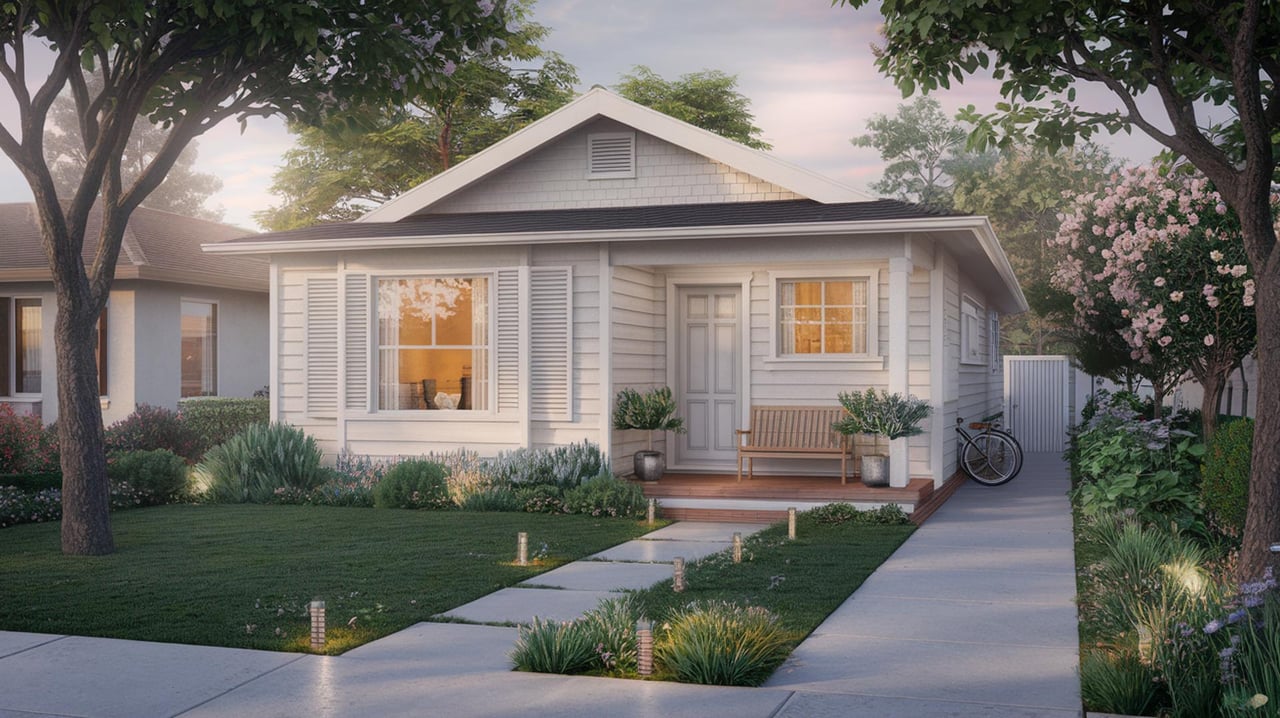
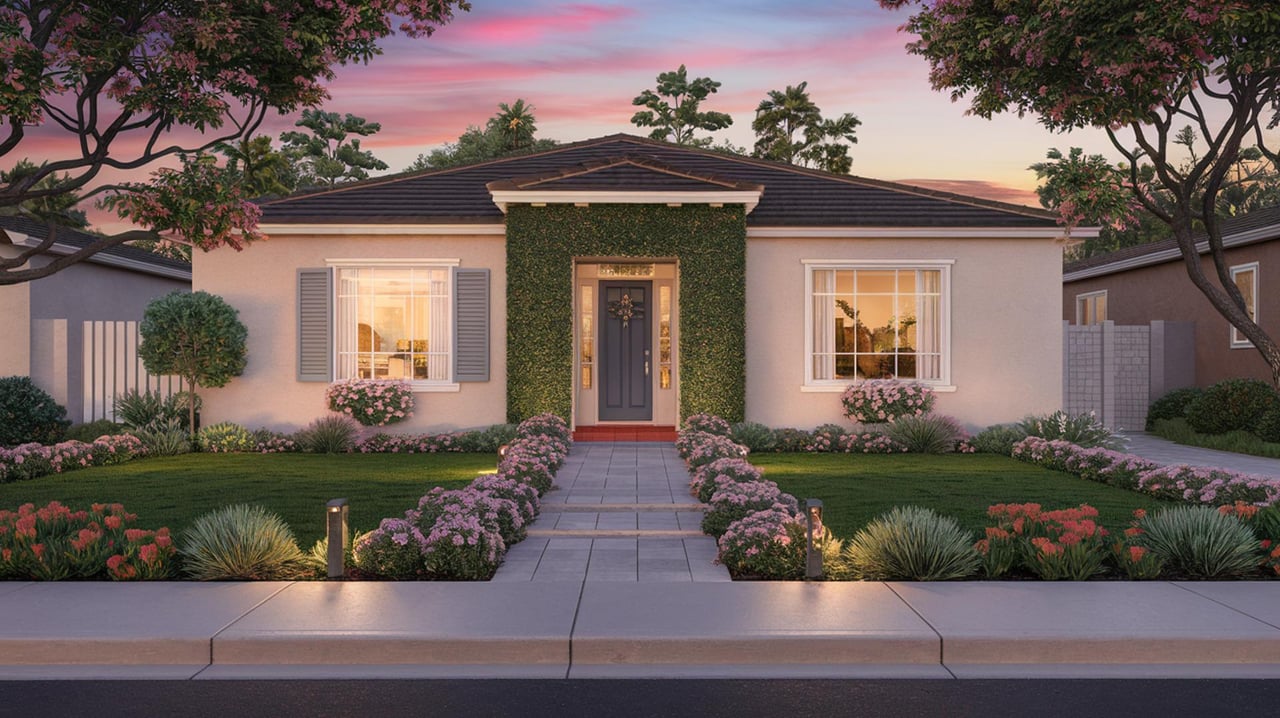
- Single-family homes: More privacy, setbacks from neighbors, and a private yard. Often the best choice if you want outdoor space or two-car garage parking.
Neighborhood examples in San Jose and the East Bay
Every area offers different tradeoffs. Here is how the three property types often show up locally.
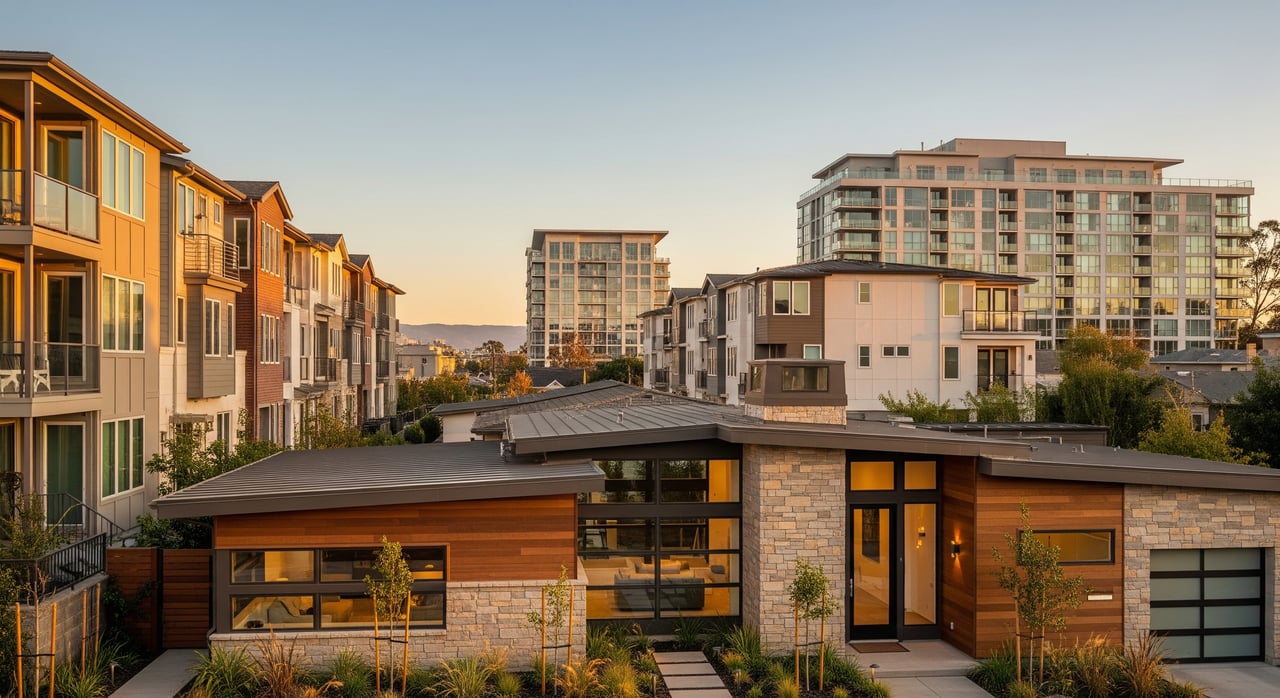
- Downtown San Jose, Diridon, Japantown: You will see high-rise and mid-rise condos with smaller floor plans, strong access to jobs and transit, and building amenities. Parking may be limited, and financing can depend on project approvals. Explore commute options with the Santa Clara Valley Transportation Authority.
- Willow Glen, Rose Garden, Cambrian, Almaden: These areas feature many detached single-family homes, with some townhomes and garden-style condos. Townhomes can be a more affordable way to access these neighborhoods than single-family homes.
- North San Jose, Berryessa, Evergreen: Newer townhomes and contemporary condos are common, often with attached garages and modern layouts. HOA dues may be higher due to newer amenities. Proximity to tech job centers makes these attractive to commuters.
- Oakland and Berkeley: Entry prices for some single-family homes and condos can be lower than in parts of San Jose, with strong regional transit. Local rules on rent control and tenant protections affect investor plans. Check official resources like the City of Oakland for current regulations.
Resale and your exit strategy
- Single-family homes: Often attract the broadest buyer pool and historically hold value well in land-constrained markets like Silicon Valley.
- Townhomes: Appeal to first-time buyers, move-down buyers, and busy professionals. Their flexible buyer base can support steady demand.
- Condos: Offer accessible entry points and amenities. Resale can depend on the building’s financial health, project approvals, and rules around rentals.
If resale matters to you, review recent comparable sales within the same community for price stability, turnover, and days on market.
HOA rules and due diligence
Condos and many townhomes are governed by CC&Rs, bylaws, and rules. Read the full HOA package before you commit. Look for rental caps, pet policies, parking rules, and any fees for move-in or amenities. Check the latest meeting minutes and audited financials to spot special assessments or litigation.
If you plan to use FHA or VA financing, confirm the project’s status upfront. Many buildings are not approved, which limits loan options. Review the HUD condominium requirements and the VA condo approval guidance before you make an offer.
Local issues to confirm
Bay Area buildings may face seismic and retrofit requirements, especially older structures or soft-story buildings. Ask about completed work and pending assessments. You can check permit history and any open items with the City of San Jose.
If you might rent your property in the future, know that local rules vary. San Jose policies differ from East Bay cities like Oakland and Berkeley, which have additional rent control and tenant protections. Rules evolve, so verify the latest guidelines through official city resources. The City of Oakland is a helpful starting point for East Bay updates.
A simple decision roadmap
Use this quick framework to narrow your choice.
- Define budget and loan type
- Ask your lender to compare conforming vs. jumbo options based on current county limits from the FHFA.
- For condos, confirm whether the project’s insurance and ownership structure impact loan eligibility.
- Map monthly costs
- Add mortgage, property taxes, HOA dues, insurance, utilities, and typical maintenance.
- Verify what HOA dues include and whether they cover water, gas, or internet.
- Match lifestyle to layout
- Want low maintenance and transit access? Consider urban condos near job centers or transit hubs.
- Want a garage and a little yard without full upkeep? Target townhomes with strong HOA coverage.
- Need maximum privacy and outdoor space? A single-family home may fit best.
- Choose target neighborhoods
- Downtown/Diridon for condo living and transit.
- North San Jose/Berryessa/Evergreen for newer townhomes and mixed-use convenience.
- Willow Glen, Rose Garden, Cambrian, Almaden for single-family homes and community feel.
- Compare East Bay options if you are balancing price and commute tradeoffs.
- Review HOA and building health
- Read CC&Rs, minutes, reserve study, and audited financials.
- Confirm master policy coverage and your HO-6 needs.
- Check for seismic upgrades, special assessments, and any lawsuits.
- Think ahead to resale
- Review comps and turnover within the same building or community.
- Consider buyer pool size for your property type in that location.
Transit, jobs, and daily life
San Jose’s demand is driven by proximity to major job centers, Caltrain and VTA access, and neighborhood preferences. If you rely on transit, consider how your property type and location line up with your commute. Downtown San Jose condos near Diridon or areas along VTA lines can trade larger floor plans for easier access to work, which many buyers value. Use the VTA transit map to test commute scenarios.
Putting it together
- Choose a condo if you want a lower entry price, walkable locations, and minimal exterior maintenance. Verify loan approvals, HOA reserves, and building health.
- Choose a townhome if you want a private entry, attached garage, and a small yard or patio with lower exterior upkeep. Review dues and what they cover.
- Choose a single-family home if privacy, outdoor space, and long-term value are top priorities. Plan for full maintenance and potentially higher total cost of ownership.
When you weigh these options against budget, commute, and how you live day to day, the best choice becomes clearer.
Ready to compare real options and run the numbers? Get local, bilingual guidance and a step-by-step plan from a seasoned San Jose broker. Let’s talk about neighborhoods, HOA health, financing, and a search strategy that fits your goals. Connect with Louis Ponce to start your plan or request a quick home valuation today.
FAQs
What should first-time buyers in San Jose consider when choosing a condo, townhome, or house?
- Compare entry price, HOA dues, and transit access; condos often cost less upfront, townhomes balance space and upkeep, and houses offer privacy with higher ownership costs.
How do HOA dues in the Bay Area affect my monthly payment?
- Dues can range from a few hundred dollars to over $1,000 per month depending on amenities and building needs, so verify exact amounts and what they include before offering.
Can I use FHA or VA financing to buy a condo in San Jose?
Why do many buyers in Santa Clara County need jumbo loans?
- Home prices are among the highest in the nation, so many properties exceed conforming limits; check current county limits with the FHFA and compare loan scenarios with your lender.
What local issues should I check before buying a condo or townhome?
- Review HOA documents, reserves, recent minutes, insurance coverage, and any seismic or major systems work; check permits and open items with the City of San Jose.
Are Oakland and Berkeley good alternatives if San Jose feels out of reach?
- They can offer different price points and strong transit, but rules on rent control and tenant protections vary; verify current policies with resources like the City of Oakland.