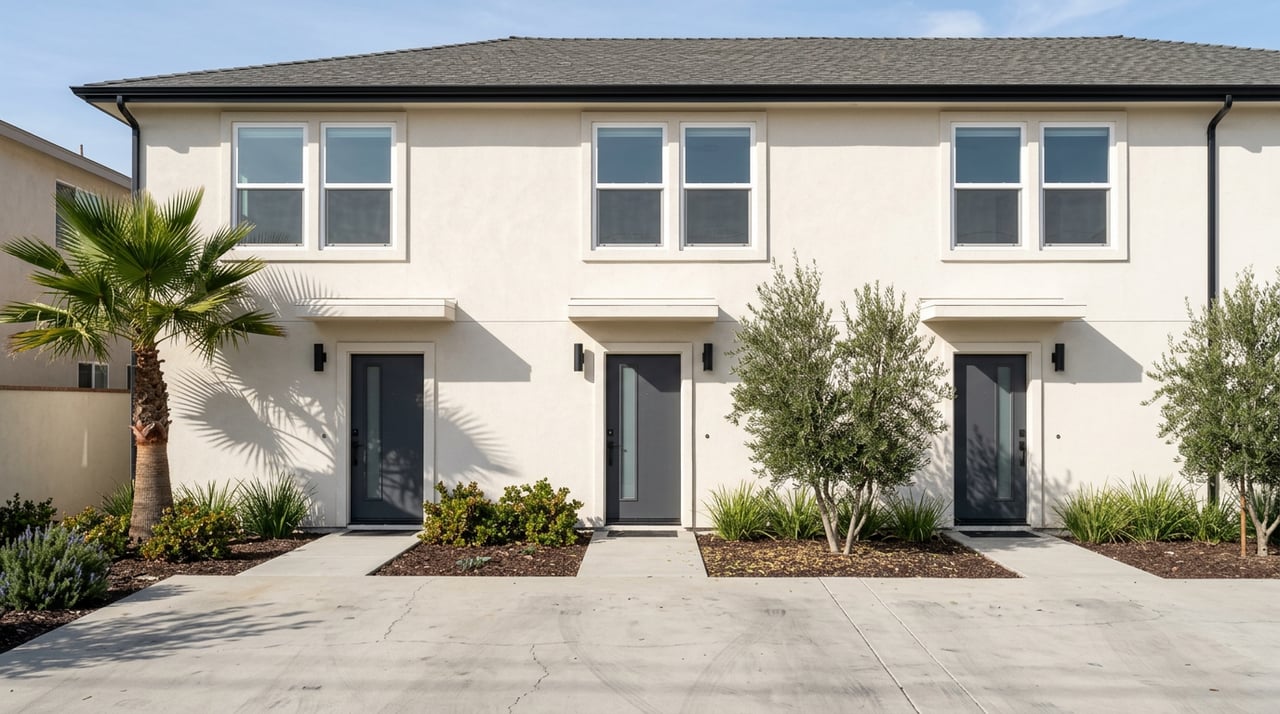
Buying A Duplex Or Triplex In San Jose
March 24, 2026
March 24, 2026
Thinking about living in one unit and letting the other units help pay the mortgage? For many San José buyers, a duplex or triplex is the practical path into long-term wealth and flexibility. You want clear answers on rent rules, financing, and what to look for before you write an offer. This guide walks you through the must-know laws, loans, inspections, and numbers so you can buy with confidence. Let’s dive in.
San José’s Apartment Rent Ordinance applies to residential properties with three or more units that were built and first occupied before September 7, 1979. If covered, allowable rent increases are limited to one 5% increase in any 12-month period. Triplexes may be covered depending on age and eligibility, while duplexes are not covered by the ARO. If you buy an ARO-covered triplex, you must follow city registration and notification requirements.
California’s Tenant Protection Act, known as AB 1482, limits rent increases on most covered homes to 5% plus the regional CPI, capped at 10% per year. It also requires just-cause for eviction. Some units are exempt, including many new constructions during their first 15 years and owner-occupied duplexes. AB 1482 works alongside local rules, so you must check both layers before you buy.
FHA allows you to buy a 2–4 unit property as your primary residence, often with a minimum 3.5% down payment for qualified borrowers. For 3–4 unit properties, lenders may require extra reserves and an appraisal that analyzes rental income and self-sufficiency. Ask your lender how they treat projected or current rents and what reserve levels you need.
VA loans can finance up to four units if you will occupy one unit as your primary residence. Eligible veterans and active-duty service members often benefit from very low or no down payment options. You still need to meet occupancy and appraisal standards.
Fannie Mae updated its guidelines in late 2023 so many owner-occupied 2–4 unit purchases can be approved at up to 95% loan-to-value in automated underwriting. This lowered the cash needed for some buyers. You still must meet credit, debt-to-income, reserve, and documentation requirements, and not all scenarios qualify for 95% LTV.
Confirm the legal status of every unit with city planning and building. Check that each unit is permitted, on the same parcel, and properly separated. Legal unit status affects your financing options, whether rent rules apply, and your ability to add or convert space in the future.
If a property was converted from a single-family to multiple units, confirm permits. Unpermitted work can derail loans and add risk. Recent state laws have changed what cities allow for ADUs and duplex-style configurations, but local planning staff remain the final word on what is legal at a specific address.
For small multifamily properties, pay close attention to separate meters and utilities, roof and foundation, electrical panels, plumbing, water heaters, and HVAC. In older triplexes, check for any open code enforcement items. You also need smoke and carbon monoxide detectors that meet current standards.
Collect complete tenant files at escrow: current leases, rent amounts, payment history, security deposit receipts, and the rent roll. In California, common statutory guidance caps security deposits at 2 months’ rent for unfurnished and 3 months’ rent for furnished units, subject to specific conditions. Verify deposit handling and amounts before closing.
If your triplex is covered by the San José ARO, allowable rent increases are limited to one 5% increase every 12 months and local just-cause rules apply. If your property is not covered by the ARO, AB 1482 may still limit rent increases to 5% plus CPI up to 10% and impose just-cause, unless an exemption applies such as an owner-occupied duplex.
Model your numbers conservatively. It is reasonable to plan for some vacancy and set aside 5% to 10% of gross rent for ongoing repairs. Include landlord insurance, earthquake coverage common in Santa Clara County, property management if you will not self-manage, and potential legal or relocation costs if you must take a unit offline for major rehab.
If the property is ARO-covered, you must register units and keep the City’s Rent Registry current each year. Pay attention to notice timelines and relocation rules when applicable. Build time for compliance into your first-year plan.
Under Proposition 13, your assessed value is set at purchase and can rise up to 2% per year until a change of ownership. Expect the base 1% property tax plus local voter-approved assessments, which vary by neighborhood and district. After closing, you may receive a supplemental tax bill that covers the difference between the prior assessed value and your purchase price for the remainder of the fiscal year.
San José and nearby cities may have documentary or transfer taxes. Rates vary by price and location. Confirm exact amounts with your title and escrow team during your offer planning.
If you live in one unit as your primary residence and later sell, you may qualify for the homeowner exclusion on capital gains under Section 121, up to $250,000 if single or $500,000 if married filing jointly, subject to the 2-out-of-5-year occupancy rule. When part of the property has been rented, depreciation recapture and prorated calculations usually apply. Speak with a tax professional for your exact situation.
Long-term options include holding as a rental, selling, or exploring condo conversion where allowed. Withdrawing units from the rental market under the Ellis Act can trigger special city requirements and relocation assistance in San José. Learn these rules before you plan a major change in use.
Buying a duplex or triplex in San José can be a smart, practical way to build equity while keeping monthly costs in check. Success comes from doing the early homework: confirm rent rule coverage, choose the right loan, verify legal units and permits, and model a conservative budget. With a clear plan, you can house-hack with confidence and protect your investment from day one.
If you want seasoned, local guidance from offer to escrow, connect with Louis Ponce for bilingual, hands-on support across San José and Santa Clara County.

Discover the Best Kid-Friendly Spots and Events in Milpitas
Essential Tips for a Successful Home Purchase in Sunnyvale
Maximize Your Home's Appeal and Attract Buyers Fast in Morgan Hill

Expert Tips and Strategies for a Successful Home Sale in Campbell

Discover the Best Areas for Real Estate Investment in Gilroy, CA

Essential Inquiries for Your Next San Jose Open House

Enhance Your Silicon Valley Lifestyle with Cutting-Edge Home Technology
Exploring the Latest Innovations and Styles in Morgan Hill Home Design

A Comprehensive Guide to Navigating Real Estate Expenses in Campbell
I’d love to hear from you! Whether you’re buying, selling, or just exploring your options, I’m here to provide answers, insights, and the support you need. Contact me and start planning your next move.