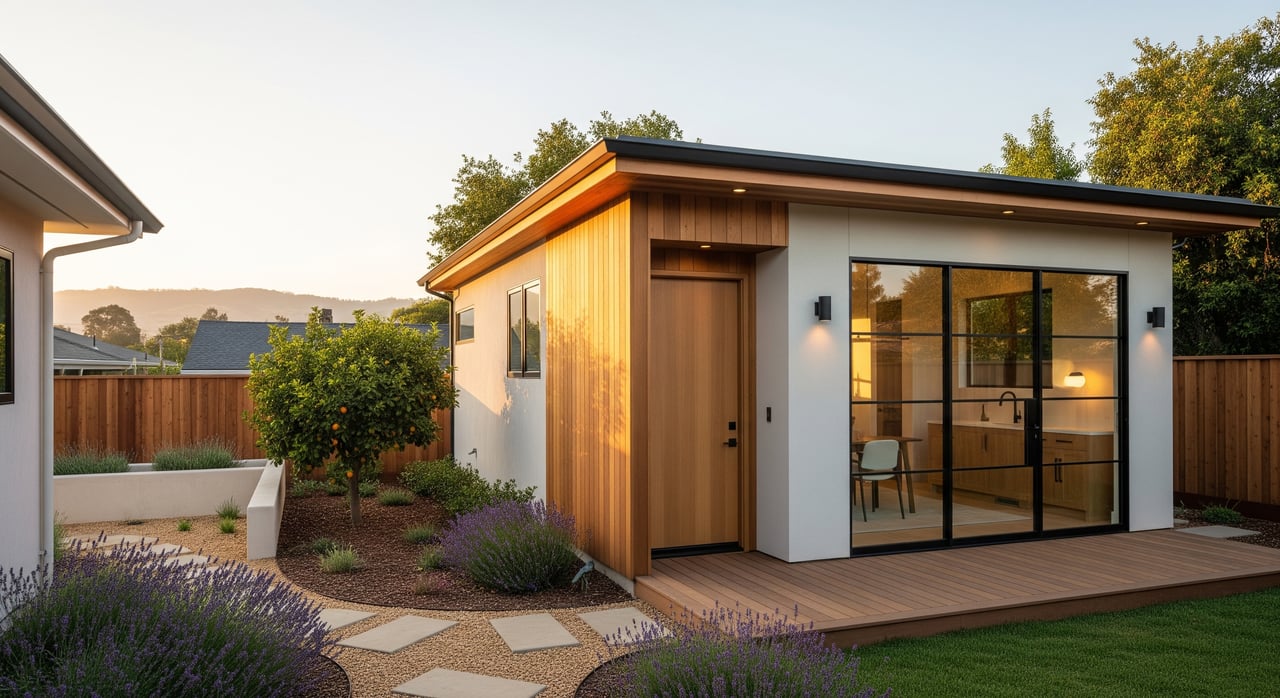
Campbell CA ADU Rules: What Savvy Homeowners Need
December 4, 2025
December 4, 2025
Thinking about adding a backyard home to your Campbell property but not sure where to start? You are not alone. ADUs are popular across Santa Clara County, yet the rules can feel technical and the process can take time without a plan. In this guide, you will learn the basics of ADU types, where they are allowed, parking expectations, permitting steps, and practical pros and cons so you can move forward with clarity. Let’s dive in.
California has strong state laws that make it easier to build accessory dwelling units on many residential lots. These laws set clear guardrails for cities and require staff-level, ministerial review for qualifying ADUs that meet objective standards. Local cities, including Campbell, still apply their own zoning and building rules within those state limits.
Most homeowners look at four ADU types:
Your property’s zoning, lot layout, and utilities will shape which type is most feasible. A quick feasibility talk with the City’s planning staff is a smart first step.
State law opens the door to ADUs on many single-family and multi-family lots. Campbell applies its own objective standards by zone, and some areas may have additional rules due to overlays or historic considerations.
What to confirm for your address:
If your property sits in a multi-family zone, the rules for quantity and configuration can differ from single-family lots. Ask planning staff how many ADUs are allowed and whether conversion of existing non-livable areas is possible.
State law provides upper bounds for ADUs and protects certain size allowances. Local standards still control maximum square footage, height, and setbacks as long as they fit within state law. JADUs are typically capped at 500 sq ft under state rules, while detached and attached ADUs follow local caps that cannot be more restrictive than state allowances.
Before you design, verify for your lot:
If your property is in a conservation or historic area, you may see additional design or placement requirements. Plan for this early to avoid redraws.
Parking rules are lighter for ADUs than for new homes in many cases. State law restricts when a city can require new parking for an ADU, such as when the property is near transit or when converting existing spaces. In other situations, Campbell may require one additional space for a new ADU.
What to check on your site plan:
Good site diagrams go a long way. Show the parking location, access path, and lighting for safe entry to the unit.
Approvals for qualifying ADUs are ministerial when you meet objective standards. That means staff checks your plans against the code without public hearings. A solid, complete submittal helps keep things moving.
Typical workflow:
Time expectations vary by project complexity and how complete your submittal is. Many homeowners see plan review in the range of several weeks to a few months. Construction can take a few months to a year depending on scope, site work, and contractor availability.
State law limits certain fees for ADUs and often reduces or exempts impact or capacity fees for smaller units. Many jurisdictions use a 750 sq ft threshold to determine exemptions or proportional fees, though you should confirm the current schedule with the City. You will still pay plan review and building permit fees, and utility connection charges may apply.
Key items to pin down early:
ADUs must meet the California Building Code and related electrical, mechanical, plumbing, and energy standards. Fire-safety requirements apply, including egress and smoke alarms. Some projects may trigger fire department review.
If you own a duplex or larger multi-family building, ADU rules differ from single-family lots. You may be able to convert existing non-livable areas into new units and add detached ADUs within certain limits.
Ask planning staff:
State legislation has curtailed many owner-occupancy requirements for new ADUs built after certain dates. Check the current rules to see whether you must live on-site.
If you plan to rent the ADU, review local rules for short-term and long-term rentals. Update your insurance and discuss landlord requirements with your insurance provider and a qualified advisor.
Building an ADU is a major project. It can be a smart move, but it helps to think through both sides.
Pros:
Cons and considerations:
Build a simple model before you start design. Your numbers will vary, but a framework helps you evaluate feasibility.
Consider financing options such as a cash-out refinance, renovation loan, or construction loan. Choose lenders who understand ADU projects and local fees.
A clear, code-conscious plan reduces corrections and saves time.
An ADU can support family needs, create rental income, and add value, but the process works best when you move step by step. If you want a second set of eyes on feasibility, neighborhood rent potential, or how an ADU could affect resale, reach out. As a long-time South Bay broker, I can help you think through value, timeline, and local contractors so you can move forward with confidence.
Ready to talk through your property and goals? Connect with Louis Ponce for a friendly, no-pressure consultation.
Discover the Best Kid-Friendly Spots and Events in Milpitas
Essential Tips for a Successful Home Purchase in Sunnyvale
Maximize Your Home's Appeal and Attract Buyers Fast in Morgan Hill

Expert Tips and Strategies for a Successful Home Sale in Campbell

Discover the Best Areas for Real Estate Investment in Gilroy, CA

Essential Inquiries for Your Next San Jose Open House
Enhance Your Silicon Valley Lifestyle with Cutting-Edge Home Technology
Exploring the Latest Innovations and Styles in Morgan Hill Home Design

A Comprehensive Guide to Navigating Real Estate Expenses in Campbell
I’d love to hear from you! Whether you’re buying, selling, or just exploring your options, I’m here to provide answers, insights, and the support you need. Contact me and start planning your next move.